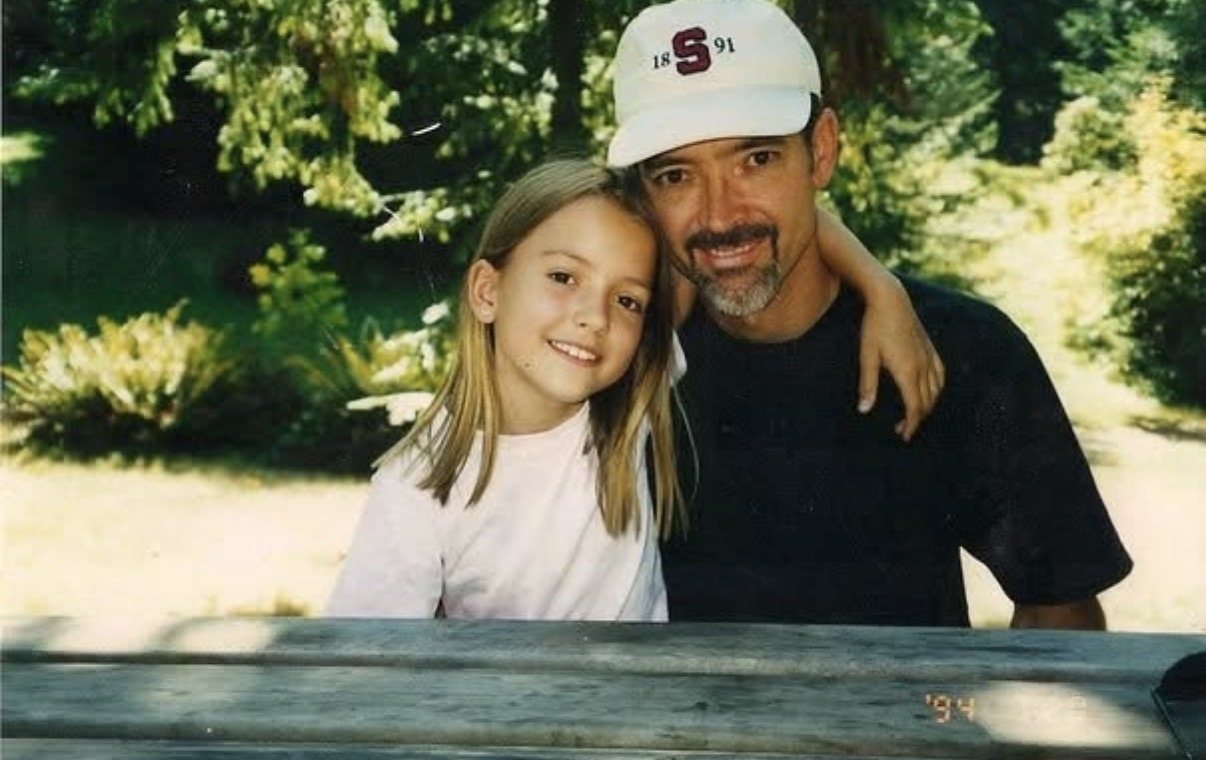
My father was diagnosed with prostate cancer, and when it first happened, I knew nothing about it. I do not claim to be an expert, but I have spent the last few months learning everything I can. I want to share what I have learned and the resources I have put together, in case they can help someone.
Since going through this with my family, I have come to realize how many other people know someone who has it, or have been through it themselves.
Standard treatment is active surveillance, surgery, radiation, hormone therapy or chemotherapy.
The first thing we learned, and the thing we would tell anyone, is that for cancer that is considered curable, standard treatment is what has been proven to work. The other things on this page are what we do in addition to it.
Which one applies depends on the cancer, so ask your doctor. Active surveillance means watching a low-risk cancer closely with regular tests instead of treating it right away. Hormone therapy lowers testosterone, which prostate cancer uses to grow.
What that means for us
An integrative oncologist we consulted, Doctor Dawn Lemanne, is clear on this point. Her work with diet, fasting, sleep and exercise is meant to be used together with standard care.
Everything in our daily routine is there to keep him strong and help him recover. None of it treats the tumor itself, and knowing that has made our other decisions easier.
Two things to do first
Ask your doctor how much time you have to decide. There is often time to get more than one opinion.
Ask for a copy of every result: the PSA tests, the biopsy report and any imaging. Keep them in one place.
My father is leaning toward surgery. What we learned about choosing a surgeon is below.
Words you will hear
Do not be afraid to ask questions. There is no stupid question, and there is no shame in not knowing. I did not even know what an oncologist was before this.
Here are some commonly used words, in plain language.
Prostate cancer
Cancer that starts in the prostate, a small gland below the bladder that helps make semen.
PSA
Prostate-specific antigen, a protein made by the prostate and measured with a blood test. A rising PSA can be a sign of prostate cancer, although other things can raise it too.
Biopsy
Small samples of tissue taken from the prostate and examined under a microscope. This is how prostate cancer is confirmed.
Gleason score
A grade given to the biopsy that describes how aggressive the cancer cells look. A higher number means more aggressive.
Urologist
A doctor and surgeon who treats the urinary tract and the male reproductive organs. Urologists perform prostate surgery.
Oncologist
A doctor who treats cancer. A medical oncologist treats it with medication, and a radiation oncologist treats it with radiation.
Prostatectomy
Surgery to remove the prostate. In a robotic prostatectomy, the surgeon works through small incisions using robotic instruments.
Integrative
Care that adds nutrition, sleep, exercise, stress reduction and similar support to standard treatment. An integrative doctor uses both together.
Go to the appointments
If someone you know has prostate cancer, offer to come to their doctor's meetings. A second person in the room hears things the first one misses, and these are hard conversations to sit through alone.
Go to every appointment as if your own life depends on it. Their life does, so care for it as if it were your own.
I also highly recommend Wispr Flow for recording the visits. It gives you a transcript and notes from each appointment, which you can save and return to later. It has been hugely helpful for us.
Always ask your doctor for permission before you record, and tell them why: it is for taking notes, so you can go back over what was said. Most are completely comfortable with it.
If you choose surgery, find a high-volume surgeon
How many of these operations a surgeon has done affects how patients do afterward. In the research we gathered, the share of patients who are continent one year after surgery rises from roughly sixty percent in a surgeon's early cases to nearly ninety percent once the surgeon has done several hundred.
This is what we mean by high volume.
200 to 300operations a year, or more
Several thousandover the surgeon's career
The surgeons we love
Doctor Matthew Cooperberg in San Francisco, at the University of California, San Francisco. Doctor Lemanne recommended him to us.
Doctor Christopher Amling in Portland, at Oregon Health and Science University. Their prostate clinic lets you see urology, radiation oncology and medical oncology in a single visit.
Ask every surgeon the same questions
How many robotic prostatectomies have you personally performed, and how many each year?
What is your own one year continence rate for my grade of disease, not the hospital average?
What is your positive margin rate for my grade of disease?
Would you recommend surgery or radiation for me, and why?
What should I do to prepare in the weeks before surgery?
Should I start Kegel exercises now, and how many should I do each day?
What do you think of high-dose vitamin C infusions before surgery, and when would they need to stop?
What can I do to lower stress before surgery, and is there anything else that would help me prepare?
Gather your records once and send the same package to every office: the pathology report, the biopsy slides, the scan images and reports, the full history of blood test results, your medication and supplement list, and a one page summary.
You can use Claude to put that package together, or you can share your care binder with each office, where everything already lives in one place.
A second opinion worth the effort
Martini-Klinik, Hamburg, Germany
Prostate cancer surgery and second opinion service
Arguably the best place in the world for prostate cancer surgery. If you are able to travel, I would hands down recommend this clinic above all else. It is the highest-volume prostate surgery center anywhere, with roughly twenty-two hundred to twenty-six hundred operations a year. Each of its surgeons performs two hundred to three hundred procedures annually, and about a quarter of its patients come only for a second opinion. They publish their own continence and potency outcomes. Requests are routed through the international office of the university hospital.
A board certified medical oncologist with a Stanford fellowship and an integrative medicine fellowship under Andrew Weil. She adds metabolic and lifestyle care to standard treatment. That includes lowering blood sugar, careful fasting, exercise, sleep and regular sauna. She states that standard care for curable cancer is surgery, radiation or chemotherapy, and she encourages patients to tell their whole care team about everything they take.
An integrative physician who built her approach around six pillars of health, and who rates stress and emotional work the highest of them. With serious prostate disease, she has tended to refer patients to leading specialists.
If you cannot travel to her or see her, you can still learn a lot from Doctor Connealy. Read her books, follow her on Instagram and listen to every episode of her podcast. That is what I have done. Her books are in the Shop.
She is also the source of our interest in thymosin alpha-1, a peptide used to support the immune system. It requires a prescription, usually through a compounding pharmacy. Any peptide will also need to be paused before surgery, on a date your surgeon confirms.
Ivermectin and fenbendazole
Many families in the cancer community talk about ivermectin and fenbendazole, a protocol made widely known by Joe Tippens. My father is taking both in addition to surgery. He also takes curcumin, the active compound in turmeric.
I want to be careful about how I describe this. Neither drug is approved to treat cancer. The evidence is early and mostly anecdotal, and the doctors we trust are not able to point to proof that it works.
What my father takes
1 milligramof ivermectin for each kilogram of body weight
222 milligramsof fenbendazole
He takes both three days in a row, then takes four days off, every week.
This is only what he takes. Please do not treat it as a recommendation. The right amount depends on your body, your health and your other medications, which is why your own doctor should be the one to set it.
Do it with your doctor
If you take it, your doctor should be overseeing it. Ask about liver function, tell every physician involved, and bring up the timing before any surgery.
My father's primary care doctor orders a liver enzyme test for him every week. It is a blood draw, and it tells us whether his liver is staying healthy while he takes these drugs. If you take either one, ask your doctor to order the same test for you.
He has his blood drawn at Quest Diagnostics, and we really love them. It is easy and fast, and we have the results the next day.
Buy it from a compounding pharmacy. Please do not buy it from a farm store. Ours came from RT Labs, a woman-owned company in Longview, Washington, that makes its own tablets.
What the research says
Doctor Connealy has written about why these drugs interest cancer doctors. In this post, she explains that cancer is not a parasite, but that parasites and cancer cells rely on some of the same processes to survive and grow. She also says the limited evidence so far suggests these drugs are not enough as a treatment by themselves.
Most of the research so far has been done in labs and in animals. Studies in people are only beginning, and none of the studies below is about prostate cancer.
If you would like to read what other families have shared, this collection of patient testimonials gathers many of them. There are also Facebook groups for ivermectin and fenbendazole, and for the Joe Tippens protocol. These are personal accounts that no one has verified, so please read them as personal stories.
A daily routine
This is the checklist from my father's care binder. Most of it comes from what Doctor Connealy recommends.
Every day
Every week
Lab work
Get comprehensive lab work so you know where you are starting from. You can begin with Function Health, or find a concierge doctor. I highly recommend extensive lab testing for anyone, with cancer or without. We really love Doctor Perkins at Elevate Health in Portland.
The care binder, and help using AI
I keep everything about my father's care in one place, which I call his care binder. I built it with Claude, an AI assistant, and it is the most useful thing I have made through all of this.
The goal is to be organized. The last thing you want is to show up at an appointment without what you need to get the most out of it, and this is a stressful enough time already.
Results end up in different places: MyChart, Quest Diagnostics, a doctor's own patient portal. We have walked into appointments where someone had not looked at the biopsy report, or did not have a recent lab result in front of them. With the care binder, I pull it up right there in the room. Because my father has lab work every week, it also shows the trends.
What is inside
Every lab result with its date, and a trend for each one, so we can see how a number has moved.
Every report saved as a PDF, including the biopsy, the scans and each lab report. That page is locked with a 4-digit code. In an appointment I enter the code and download the PDF right then and there.
Every appointment, both the ones coming up and the ones already completed, with notes from each visit.
A to-do list for my father and one for me: items we need to order, appointments we need to make or cancel, and anything else that is important.
The care team with phone numbers, the medication list and the questions for each doctor.
What the care binder looks like
This is a copy of my father's binder with made-up information in place of his. Use the arrows to look through its pages: Priorities, Visit Log, Lab Results, Records and Daily Tracker.
Dad's Care BinderLast updated November 18, 2026
OverviewCare TeamMedicationsQuestions
Lab Results, 3 of 5
Lab Results
Every marker since 2021. Tap a row for its history and target.
✖ 2 out of range at last check
▲ 5 in range, outside the optimal target
● 31 in range and on target
All 38Prostate 2Metabolic 4Inflammation 5Vitamins and minerals 9Liver 6Kidney 5
Prostate
PSA, total9 results, Jan 2024 to Nov 2026
5.0ng/mL
✖ Out of range
Testosterone, total6 results, Sep 2026 to Nov 2026
640ng/dL
● In range
Metabolic
Glucose, fasting5 results, Jun 2023 to Nov 2026
88mg/dL
● In range
Hemoglobin A1c4 results, Jun 2023 to Nov 2026
5.6%
▲ Outside optimal
Records and Documents
Lab reports (3)
Weekly lab work, drawn every Tuesday. Newest first.
November 17, 2026
PSA, total and testosteroneCollected November 17, reported November 18. PSA 5.0, down from 5.3. Testosterone 640, normal. Fasting.PDF, 28 KB
Download
November 10, 2026
PSA, total and testosteroneCollected November 10, reported November 11. PSA 5.3. Testosterone 625, normal.PDF, 31 KB
Download
Imaging and pathology (2)
October 1, 2026
Biopsy pathology reportTwelve cores. Full report from the pathology lab.PDF, 212 KB
Download
Enter the 4-digit code to open this fileRecords are locked so that only the family and the care team can open them.
• • • •UnlockCancel
Priorities
Add something to the listMe ⌄Add
Dad
Complete the intake questionnaires for the surgeon's office.
Start the pelvic floor exercises: 4 sets of 10 each day.
Order magnesium glycinate for bedtime.
Weekly fasting blood draw, Tuesdays at 7:00 AM.
Me
Order the Eight Sleep mattress cover for his bed.
Order the Runitude sauna and set it up at home.
Order the countertop water filter for drinking and cooking water.
Cancel the November 20 appointment with the first urologist.
Book the bone density scan and confirm the provider is certified.
Send the November 17 lab report to the oncologist.
Visit Log
Upcoming visits
Tuesday, November 247:00 AMWeekly fasting blood draw
Monday, November 309:00 AMSurgical consultation, bring the question list
Past visits
November 5OncologistSecond opinion. Surgery recommended, with a high-volume surgeon. Weekly blood draws to continue.
October 8UrologistBiopsy results reviewed. Scan ordered to check for spread.
October 1UrologistBiopsy.
Daily Tracker
Week of November 9. Check each habit off as the day goes.
MTWTFSS
In bed by ten, eight hours of sleep6 of 7
Lemon water in the morning7 of 7
Protein at every meal7 of 7
Walk outdoors5 of 7
Sauna before bed4 of 7
Meditation6 of 7
Medications and supplements7 of 7
Build your own
The weekly task that brings in the labs
I have a scheduled task in Claude that runs every week. It checks the places my father's results land, which are Quest Diagnostics and his doctors' patient portals, and compares them with what is already in the binder. When something new has come in, it adds the result to the lab page, updates the trend and sends me a short summary in plain language.
I have authorized it ahead of time to check Quest Diagnostics, MyChart and the other websites his doctors use. It works through a connector that links Claude to my browser, using the sign-ins I already have, so it never types a password. If one of the sites has signed me out, the task tells me so.
The tools I use
I record every doctor's visit with Wispr Flow. It compiles the notes automatically and labels who is speaking, so I can go back to exactly what the doctor said. Ask the doctor for permission before you record.
Claude is the AI assistant I used to build the binder. I give it the visit notes and the lab reports, and it keeps everything organized. Wispr Flow can be connected to Claude as a connector, so the notes from each visit come straight in.
Instinct is another AI tool that I love and recommend. It reminds me of appointments, confirms them for me, makes reservations and can book appointments. It is all around really helpful. It is invite-only for now.
My tips
Use Wispr Flow at every doctor's appointment so that you have detailed notes automatically. Then carry those notes into the care binder, so all of the helpful information is there.
Add the notes from each appointment the same day, while you still remember the details.
Keep a running list of questions for each doctor and bring it to the next visit.
Put the insurance cards, the pharmacy and the emergency contact on the first page.
Check every number against the original lab report. AI can make mistakes, and it does not replace your doctor.
Prompts you can copy
Paste these into Claude and replace the words in brackets with your own. The binder can be for yourself, your father, your uncle or anyone you are caring for.
Two of these prompts need connectors, which link Claude to your other tools. Connect Wispr Flow and your calendar before you use the visit notes prompt, and connect your browser before you use the weekly labs prompt.
Create the binder
Help me create a care binder for [name], who is [my father, my uncle, my partner, or myself], and who has been diagnosed with [diagnosis]. Build it as one web page that I can open on my phone and my computer, with the list of pages down the left side and the date it was last updated at the top. I should be able to edit every page.
Make these nine pages.
1. Priorities. A to-do list for [name] and a separate one for me. Each item has a checkbox, and a box at the top lets me add an item and choose whose list it goes on. Include items we need to order, appointments we need to make or cancel, and anything else that is important. Keep a Done list underneath with the date each item was finished.
2. Overview. Where things stand in plain language, the diagnosis, the plan, a table of key dates, the insurance details, the pharmacy and an emergency contact.
3. Care Team. Each doctor with their specialty, clinic, address and phone number, what they are responsible for and when we last saw them. Keep a separate list of doctors we are no longer seeing.
4. Medications. A table of every medication and supplement with the dose, when it is taken, why, and its status. Add a list of what needs to stop before surgery, a list of things we decided against, and a daily schedule.
5. Visit Log. Upcoming visits with the date, time, purpose and place. Past visits with the date, the doctor and what was decided. A table of test results by date.
6. Questions. A running list of questions for each doctor, a list of what we are waiting on, and the questions that have already been answered, so we do not ask twice.
7. Lab Results. Every result with its date, unit and reference range, grouped by category. For each one, show the latest value, whether it is in range, out of range, or in range but outside the target, and a small trend line of every earlier value. Put a count of each status at the top, and let me filter by category.
8. Records. A place to keep PDFs of the reports, grouped by doctor or by type, newest first. Each one has its date, a one-line summary and a download button. Lock this page with a 4-digit code that I choose.
9. Daily Tracker. A weekly grid of daily habits, such as sleep, food, walking and medications, with a checkbox for each day and a total for the week.
Use one serif typeface and two colors, with plenty of space. Write everything in plain language, and never give a diagnosis or a treatment recommendation. Ask me for the information one page at a time, and when we finish, tell me what is still missing.
Add the notes from a visit
Go into Wispr Flow and find the notes and transcript from today's appointment with [doctor's name] on [date]. Add them to the Visit Log in plain language. List every decision, every instruction and every next step, and say who is responsible for each one. Add anything we now need to do to Priorities, and add any new questions to the list for the right doctor. Do not add anything the doctor did not say.
Then check my calendar. Make sure every appointment that came up in this visit is on it, with the time and the address, and set a reminder for the day before and for one hour before.
Add a lab report and show the trend
Here is a new lab report for [name]. Add every result to Lab Results with the date it was drawn and its reference range. For each result, show the earlier values beside it so I can see the trend, and mark anything that is out of range. Explain in plain language what each out-of-range result measures, and add a question about it to the list for [doctor's name]. Do not tell me what it means for treatment. That is for the doctor.
Lock the reports with a code
Add a Records section where I can keep PDFs of the reports for [name]: the biopsy, the scans and each lab report. Lock that section with a 4-digit code that I choose, so a report can only be opened and downloaded by someone who enters the code.
Bring in new labs every week
Set up a scheduled task that runs every [day of the week]. Each week, open [the lab's website] and [the doctor's patient portal] in my browser, where I am already signed in, and look for new results for [name]. Never sign in or type a password. If a site asks me to sign in, tell me and move on. Compare what you find with what is already in the care binder. If there is something new, add it to Lab Results with its date and reference range, update the trend and send me a short summary in plain language. If there is nothing new, tell me in one line.
Get ready for an appointment
We see [doctor's name] on [date]. Using everything in the binder, write a one page summary for the doctor: the diagnosis, the key results with their dates, the current medications and supplements, and what has changed since the last visit. Then list the questions we still have for this doctor, with the most important first.
If you would like help
What is above should be plenty to build your own. If it is not enough, or you or a loved one needs more help building a care binder, please feel free to reach out to me. You can send me a message on Instagram at @ericaindira, and I would be happy to guide you through the process.
Community and reading
Facebook groups
Facebook has groups for people taking ivermectin and fenbendazole, and groups for people following the Joe Tippens protocol. Search Facebook for those names to find them. Members share what they take and what their doctors have said.
What you read there is personal experience that no one has verified, so please bring anything you want to try to your own doctor first.
Doctor Lemanne also points to Thomas Seyfried's Cancer as a Metabolic Disease and Travis Christofferson's Tripping Over the Truth for those who want to understand the metabolic approach.
Take care of yourself too
This site is about a family member or someone you love going through cancer. It is hard on you as well. It is completely normal to feel sad and to feel scared. There were a lot of days when I went to a workout in tears, or just felt at a loss.
For me, the best thing I could do was educate myself as much as possible. I listened to podcasts, read books, and found oncologists and doctors I trust and believe in.
What I listened to
I listened to every podcast episode I could find with Doctor Leigh Erin Connealy. Doctor Lemanne also has her own podcast, Docs Talk Shop. Beyond that, I searched for prostate cancer in Spotify and listened to as many episodes as I could.
Another doctor I trust and really love is Doctor Mark Hyman. I think he is wonderful.
A healthy routine of my own. I focus on getting eight to nine hours of sleep and working out as often as I can.
Working out every day at the same time, which means I wake up at the same time.
Keeping my home and my car clean.
Healthy boundaries with the people in my life.
Making sure the people in my life are supportive, loving and kind. There is no room for anyone else at my table.
Eating whole foods, like salmon and vegetables, and making sure I get my meals in. I avoid processed foods, without being extreme about it.
Giving myself grace. Right now is not the time when I have to be perfect.
People and places I love in Portland
The people and places in and around Portland I really love and recommend for whole-body care and wellness. They can help someone with prostate cancer or without.

 The Cancer Revolution
 Cancer as a Metabolic Disease
 Tripping Over the Truth
 Dr. Patrick Walsh's Guide to Surviving Prostate Cancer
 Keto for Cancer
 Celluverse
 Nurture
 Body into Balance
 Whole Food Cooking Every Day
 Eight Sleep
 Oura ring
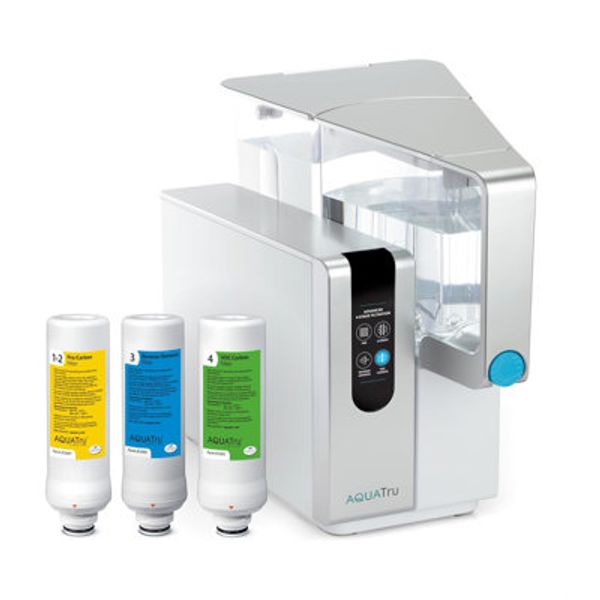 AquaTru countertop water filter
 BIOptimizers magnesium
 Thorne Magnesium Bisglycinate
 Thorne Vitamin D and K2
 Ritual Omega 3
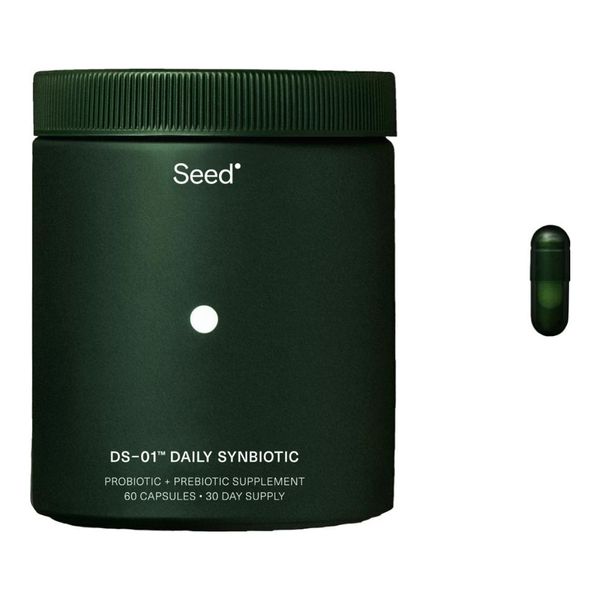 Seed DS-01 Daily Synbiotic
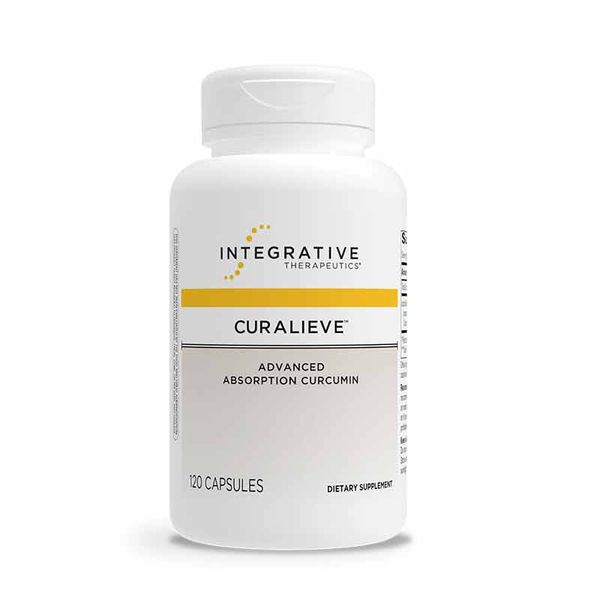 Curalieve curcumin
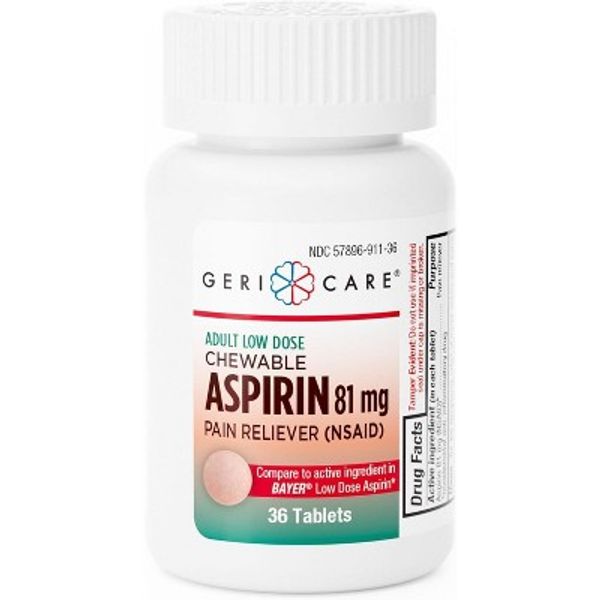 Geri-Care low-dose aspirin
 Vera Salt
 Lineage Provisions air-dried steak
 Kyoord high-phenolic olive oil
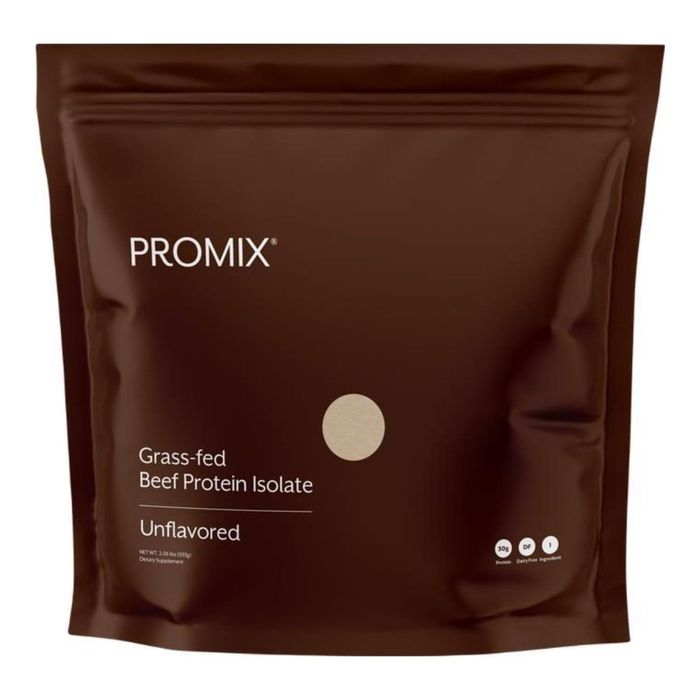 Promix grass-fed beef protein isolate